Greenhouse: Size, Materials, Costs, Online Tips for the UK
A greenhouse can make your garden feel twice as useful. Seedlings get a strong start, tomatoes ripen for longer, and tender plants stop sulking in cold snaps. Best of all, you can keep mess (pots, trays, compost) in one place, rather than on every patio slab.
Buying online often makes the choice easier, not harder. You can compare sizes in minutes, check glazing types side by side, and read reviews from people who've built the same model in real UK weather. Delivery to your door, often with free delivery to the UK mainland, helps too, because greenhouse boxes can be awkward to move.
This guide keeps it practical with expert advice. You'll learn how to pick the right size and style for your greenhouse, choose materials that suit wind and damp, and budget for the real total (base, glazing, delivery, and the extras that make it usable).
Find Greenhouses Online
Start with your garden and your goals, not the product page
A product page can make every greenhouse look perfect. Your garden will quickly disagree. Before you compare prices, decide what you want the space to do, and how often you'll use it. Approach it like structured hiring: match the greenhouse to your needs first, not the other way around.
First, be clear on the job. Are you raising seedlings in spring, growing heat-loving crops in summer, overwintering plants to extend the growing season, or storing tools and compost? Each use pushes you towards different choices. For example, seedlings need staging and steady warmth, while tomatoes need height, airflow, and easy watering. For limited spaces against a wall, a lean-to greenhouse could suit heat-loving crops well.
Next, think about your routine. A greenhouse you can step into daily will earn its keep. On the other hand, if it's tucked behind a shed and you'll avoid it in rain, it may become storage by default.
UK weather matters here. Wind finds weak frames, and damp air encourages mould. So you'll want solid fixings, decent ventilation, and a base that stays level. Even a small greenhouse can struggle if it sits in a boggy corner.
Finally, be honest about space. Many people overbuy, then can't open the door properly. Others go too small, then outgrow it in one season. Aim for the smallest size that still feels comfortable to work in.
Measure the space properly and plan access
Measuring sounds basic, yet it's where most regrets start. A greenhouse footprint on a webpage doesn't show the real "working space" you need around it.
Use simple steps, and write the numbers down:
- Width and depth: Measure the clear ground area where the base will sit.
- Height: Check for overhanging branches, fences, and washing lines.
- Door clearance: Make sure the door can open fully, and you can step through comfortably.
- Walkway space: Allow room for a path inside, not just staging on both sides.
Also plan how you'll use the entrance. Compost bags, canes, watering cans, and seed trays all need somewhere to go. If you can't set things down without blocking the door, the greenhouse will feel cramped fast.
If you're placing it near a wall or fence, check you can still reach the back for cleaning and repairs. A narrow gap becomes a weed trap, and you'll dread dealing with it later.
Pick the best spot for light, shelter, and drainage
Light is your main fuel, so aim for the sunniest practical spot. Deep shade from trees or buildings will slow growth, even with perfect watering. If you can't avoid partial shade, try to get strong morning or midday sun, because it warms the structure quickly.
At the same time, don't ignore shelter. A fence or hedge can cut wind speed and help keep temperatures steadier. The trick is to use shelter without blocking the light. Keep a little distance from tall, dense hedges, especially on the south side.
Drainage matters more than people expect. If water sits around the base, damp rises, algae grows, and doors start to stick. A greenhouse also needs a level greenhouse base. When the base twists, glazing panels can pop out, and the frame can strain in wind.
If the ground is uneven, budget time for levelling work. That step often decides whether the build feels straightforward or miserable.
A greenhouse doesn't fail because it's "cheap", it fails because it's poorly sited and poorly supported.
Choosing the right greenhouse type and materials for UK conditions
Online listings throw a lot of options at you, and the names don't always help. Focus on what affects daily use: shape, frame material, and glazing. Then match those choices to your space and local weather.
Start with shape because it sets the tone for everything else. A freestanding greenhouse gives you full access and flexible placement, but it needs a solid base and decent anchoring. A lean-to greenhouse uses an existing wall for support and warmth, yet it can limit light if the wall faces the wrong way. Mini greenhouses suit patios and first-time growers, although they can overheat quickly and feel fiddly to work in.
Then look at frames. In UK conditions, low maintenance often wins. Aluminium greenhouse frames are popular because they don't rot, and they don't need painting. Wood looks great in many gardens, but it needs care, and it will age faster if it stays damp. Plastic frames can cost less, although they usually feel less rigid in strong wind.
Glazing choice is where comfort and safety come in. Glass gives a clear view and good light. Polycarbonate reduces breakage risk and improves insulation, but it can scratch and may look cloudy over time. The best option depends on who uses the greenhouse, and where it sits.
Freestanding, lean-to, or mini: which shape fits your space?
Freestanding greenhouses suit medium to large gardens. You can walk around them, fit staging on both sides, and place the door where it works best. They're also easier to ventilate because you can have vents on different sides.
Lean-to greenhouses work well in smaller gardens. The wall can add a little warmth and block wind. However, placement matters. A lean-to on a cold, shaded wall won't perform well, no matter how nice it looks online.
Mini greenhouses (and cold frame style models) suit patios, balconies, and beginners. They're handy for hardening off seedlings and keeping herbs going for longer. Still, expect tight access and faster temperature swings.
Door design and roof height affect comfort more than you'd think. A sliding door makes it easier to carry trays, while taller roofs give you a larger buffer of warm air. In addition, higher roofs usually improve ventilation, which helps reduce mildew and scorching.
Frame materials: aluminium vs wood vs plastic
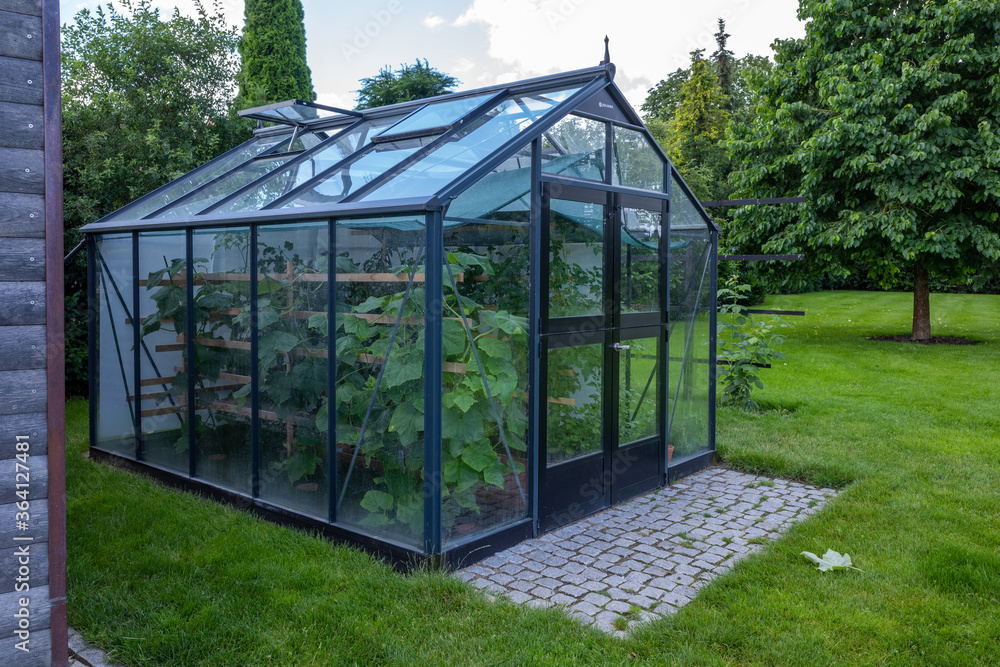
Aluminium greenhouse frames are a common "set it and forget it" option, much like those from Vitavia or Halls Popular. They suit people who don't want annual treatment jobs. Most resist rust, but check the quality of fixings and brackets, because small parts can cause big headaches.
A wooden greenhouse looks traditional and can blend into cottage-style gardens. It can also feel sturdy. On the other hand, wood needs treatment, and joints can suffer if water sits on them. If you choose wood, plan for upkeep and check how the timber is protected.
Plastic frames can be light and budget friendly. They often work well for small structures, especially on sheltered patios. In exposed gardens, though, lighter frames may flex more, and that can lead to rattles, gaps, and loose panels, unlike sturdier Elite models.
If your area gets gusty, prioritise rigidity and anchoring over looks. A greenhouse should feel like part of the garden, not a temporary tent.
Glazing options: horticultural glass, toughened glass, or polycarbonate
Horticultural glass is usually the lowest cost. It lets in plenty of light, yet it can break more easily. If you have kids, pets, or a busy path nearby, that risk matters.
Toughened safety glass costs more, but it's stronger. Many buyers choose it for peace of mind, especially in windy gardens. It also tends to handle knocks during assembly better, which can reduce stress on build day.
Polycarbonate glazing is lightweight and safer in terms of shattering. It's also good for insulation, especially twin-wall polycarbonate glazing, which traps air and helps hold warmth overnight. The trade-off is that it can scratch, and it may reduce light slightly compared with clear glass. Over time, some sheets can discolour, depending on quality and sun exposure.
If you want earlier sowing and later harvests, insulation helps. If you want maximum light for summer crops, glass often wins.
What greenhouses cost online and what affects the price most
Online prices vary because you're not just paying for "a greenhouse". You're paying for size, materials, glazing, and how complete the kit is. Two models with similar photos can differ a lot once you read the specs.
As a rough guide, smaller mini greenhouses tend to sit in the lowest price band. Medium freestanding sizes (the common garden shapes) usually cost more, especially with tougher glazing. Larger structures, thicker frames, and premium finishes push prices up quickly.
Here's a simple way to think about typical online price bands. Exact pricing changes, but the pattern stays similar.
Greenhouse type (typical)Typical online price bandWhat usually drives the cost upMini greenhouse or small lean-to£80 to £300Stronger frame, better vents, twin-wall panelsSmall freestanding (starter size)£250 to £700Toughened glass, wider door, more roof ventsMedium freestanding (most popular sizes)£600 to £1,500Frame thickness, extra height, tougher glazing, better fixingsLarge greenhouse£1,500+Size, premium frames, added doors, higher-spec glazing
The takeaway: size and glazing often move the price the most, with frame quality close behind.
Also remember that "cheapest online" can cost more later. Replacing broken panes, adding missing vents, or re-doing a poor base soon eats any saving.
The hidden costs people miss (base, staging, heaters, delivery, install)
A greenhouse price is rarely the full spend. Plan for the bits that turn a structure into a working growing space.
Common greenhouse accessories include:
- Greenhouse base (plinth or foundation, or paving and timber to create one)
- Greenhouse staging and shelving for trays and pots, helping to organise and track seed performance like applicant tracking software
- Automatic roof vent to stop overheating when you're out
- Anchors and tie-downs for wind protection
- Rainwater kits and water butts to make watering easier
- Shading (blinds, paint, or mesh) for hot spells
- Bubble wrap insulation for colder months
- Heater and thermostat if you want reliable early sowing
Delivery can also change the maths. Some sellers charge extra, and many deliveries are kerbside only. That means you'll carry long boxes and glazing to the garden yourself. Professional installation is another potential cost. Much like using a hiring platform for talent acquisition, it can be worth it if you're short on time, or the site is awkward.
How to compare value online using specs, reviews, and warranties
When you shop online, you can compare detail quickly, but only if you know what to look for. Use the spec list like a filter, then use reviews to check if it matches real life.
A simple comparison checklist helps:
- External and internal dimensions, plus door width
- Ridge and eaves height (headroom affects comfort)
- Number of vents and whether any are automatic
- Glazing type and thickness (where stated)
- Frame thickness and corner bracing (where stated)
- What's included (base, clips, anchors, guttering)
- Spare parts availability (important for broken panes and clips)
- Warranty length and what it covers
Reviews add the human side. Don't just read the top ratings. Scan the lowest reviews for repeated themes, such as leaks, missing fixings, flimsy panels, or confusing instructions. If the same complaint appears again and again, take it seriously.
How to buy a greenhouse online with confidence
Once you've chosen the right type, the rest is about avoiding hassle. Online shopping works best when you check a few practical details before you click "buy".
Think of selecting a reputable supplier as a recruitment process: seek clear product descriptions, strong warranties, and consistent reviews to ensure a positive candidate experience. Start with the basics: size, siting, and what arrives in the box. Then think through delivery and build day. A greenhouse is straightforward when it's planned well, and frustrating when it's rushed.
Also keep your expectations realistic. Many greenhouses arrive flat-packed. You're buying a kit, not a finished garden room.
Before you order: check sizes, permissions, and what is included
Confirm the footprint, ridge height, and door height against your chosen spot. Use AI-powered tools to plan the garden layout precisely. If the greenhouse sits under branches or beside a fence, check the highest point carefully. Likewise, if you'll wheel a barrow inside, door width matters more than you'd expect.
Next, read what's included in the package. Some kits include a base plinth and anchors, others don't. Fixings, glazing clips, and vents can also vary. If an "essential" item is missing, the low price may not be a bargain.
A quick planning permission check can save grief. Rented homes may have rules about structures, and listed buildings can come with extra limits. If you share boundaries, it's also wise to think about how close you build to fences and neighbours' space.
Before checkout, match the listing to your plan: footprint, height, glazing type, included base, and delivery method.
Delivery and assembly: plan for boxes, tools, and a calm weather day
Greenhouses often arrive in multiple boxes, some long and heavy, particularly if you opt for free delivery to UK mainland. So, check your access route from the drop-off point to the garden. Tight hallways, steps, and side gates can turn delivery day into a workout.
Plan to build on a calm day. Wind makes large panels hard to handle, and it raises the risk of breakage. If you're using glass, ask someone to help lift and position panes. Even polycarbonate sheets can flex and catch the breeze. Or consider professional installation as a hassle-free alternative.
Basic tools usually cover most builds, for example a screwdriver set, spanners, a tape measure, a spirit level, and gloves. A level base is the real time-saver, because you won't fight the frame as you tighten it.
As soon as the boxes arrive, inventory the parts and check glazing. Report missing items quickly, while the order details are fresh. Keep packaging until the greenhouse is built, because it helps if anything needs returning and supports smooth onboarding for your plants.
Conclusion
A greenhouse is a simple idea, but the right choice depends on planning as outlined in this greenhouse buyers guide. Measure your space, then pick a shape that fits how you'll actually use it. After that, choose frame and glazing options that cope with UK wind and damp, not just the cheapest listing.
Budget for the extras that make it work, especially the greenhouse base, ventilation, staging, and delivery. Finally, compare specs, reviews, and warranties so you pay for value, not marketing. When you're ready, start comparing options online with your measurements in hand, and buy the greenhouse that suits your garden for the long haul.
Shop Greenhouses Online
Shop for Furniture for your Home from Verified UK Retailers
Furniture for your Home Sofas Sofa Beds
Bedroom Furniture Beds & Mattresses
Shop for Furniture for your Garden, storage and Garden Rooms
Garden Furniture Garden Storage Gas BBQ’s Outdoor Kitchen Garden Decor Gardening Supplies
Garden Sheds Prefab Garden Rooms Garden Rooms with UK Installation
Pergolas Gazebo Greenhouse Canopies Awnings Conservatories
–
Explore More Expert Buyers Guides & Money Saving Tips
For a list of our main buyers guides use the drop-down menu at the top of the page.
https://comparepriceswebsite.co.uk/index.php/2026/02/22/greenhouse/


Comments
Post a Comment