Home Emergency Cover Explained: What Counts as an Emergency? & Get Cover Online
A pipe bursts at 2am, the boiler dies on the coldest night of the week, or the front door won’t lock after you’ve come home. Those are the moments home emergency cover is designed for, quick help when something breaks suddenly and your home stops feeling safe, secure, or liveable.
Home Emergency Cover
The big promise is simple: support fast, often via a 24/7 helpline, with an approved tradesperson sent out when you need them most. The big catch is just as important: it’s not a maintenance plan. Policies usually have strict definitions of what counts as an “emergency”, and lots of everyday annoyances won’t qualify.
This guide explains what home emergency cover is, what’s usually covered (and what isn’t), plus how to avoid the common traps that lead to refused claims.
What is home emergency cover, and how is it different from home insurance?
Home emergency cover sits somewhere between insurance and a service plan. In practice, it’s a policy that pays for urgent call-outs and repairs that make your home safe or liveable again. Think of it as help for sudden breakdowns, not a pot of money for every household repair.
Buildings and contents insurance usually covers bigger, less frequent events. Fire, flooding, storm damage, subsidence, theft, and accidental damage (if you’ve added that option) are more in the home insurance lane. Home emergency cover is more about the “right now” problem, when waiting days could mean danger or serious damage.
Most home emergency policies include:
- A phone line to report the issue (often 24/7)
- A network of approved tradespeople
- A limit per claim (a maximum they’ll pay for the call-out and repair)
- A focus on making safe first (a temporary fix), then arranging follow-on work if needed and if covered
- Exclusions for wear and tear, poor maintenance, and anything that isn’t urgent
In other words, it’s like having an on-call rescue team, but only for problems that meet the policy definition.
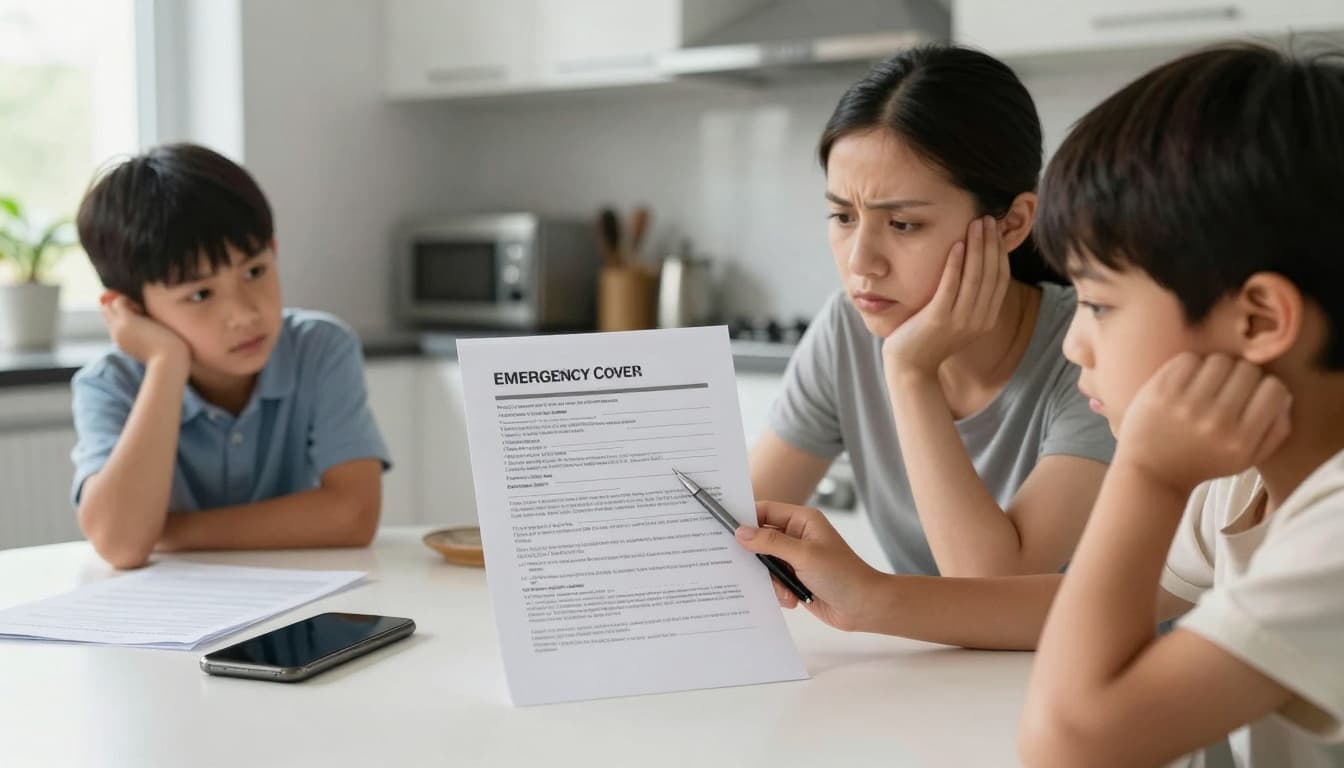 Checking the small print is often the difference between a smooth claim and a refused call-out, created with AI.
What it usually covers (the common UK categories)
Cover varies by provider, but most UK home emergency cover includes some mix of the categories below.
Plumbing and drainage: Burst pipes, serious leaks, blocked toilets (often only if it’s the only toilet), or drains backing up into the home.
Heating and hot water: Boiler breakdown, total loss of heating, total loss of hot water, or a boiler leak that needs urgent attention.
Electrics: Complete power failure in the home, dangerous faults, exposed wiring, or issues that make the electrics unsafe.
Home security: Broken locks after a break-in, or damage that means you can’t secure external doors or windows.
Pests (sometimes): A sudden infestation that needs urgent treatment (this is often an optional add-on and can have tight rules).
A quick way to think about it: these are problems that can make a home unsafe, unsecure, or unliveable, not problems that are merely inconvenient.
Key limits that affect whether you are covered
Even when the issue sounds like an emergency, the small print can decide the outcome. Common limits include:
Repair cost cap: Many policies pay up to a fixed amount per claim. If the job costs more, you might need to pay the difference, or the provider might only do a make-safe repair.
Call-out limit: Some policies restrict how many call-outs you can have in a year.
Response time rules: “Emergency” does not always mean “fixed today”. A contractor might attend quickly to stop the immediate risk, then book follow-on work later.
Parts and labour conditions: Parts may be covered up to the claim limit, or parts might be excluded in some situations. Some policies also exclude “trace and access” work (like lifting floors or removing tiles to find a leak).
Excess: You might pay a set amount towards each claim. A low excess can mean a higher premium, and vice versa.
Responsibility (owner vs tenant vs landlord): A tenant is usually responsible for day-to-day issues they cause, while the landlord is typically responsible for the structure and major systems. Landlords may need specialist cover designed for rented property.
If you’re buying cover for peace of mind, these limits matter as much as the headline promise.
What counts as a “home emergency”? Real examples that are usually covered
Most policies use a similar test. A home emergency is usually a sudden and unexpected problem that needs urgent attention because it:
- Puts someone’s safety at risk
- Risks serious damage to the home
- Causes a loss of an essential service (like heating, water, or electricity)
- Leaves the home insecure (you can’t lock up)
It helps to picture your home like a boat. If there’s water coming in fast, you need to plug the hole now. If a tap drips once a minute, it’s annoying, but you’re not sinking.
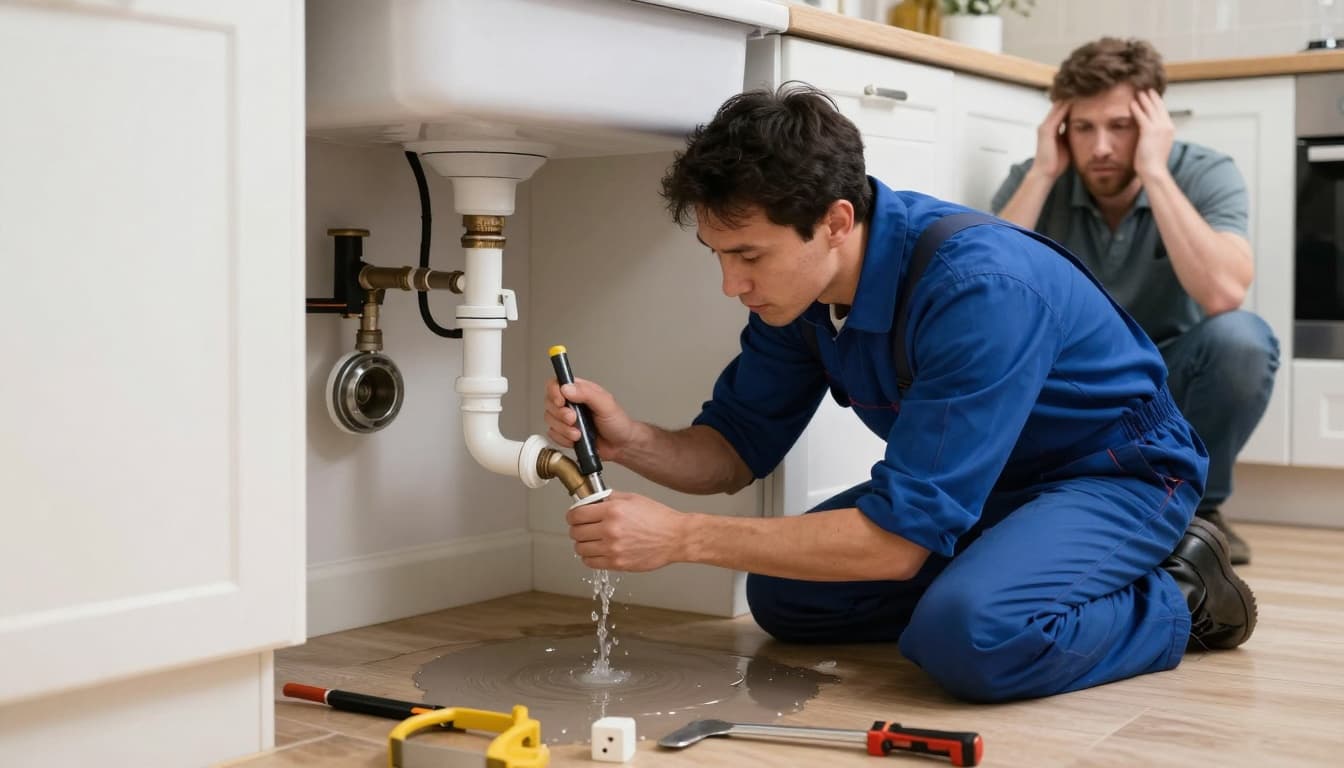 A burst pipe is a classic emergency because damage can spread fast, created with AI.
Heating, hot water, and boiler emergencies
Heating issues are one of the main reasons people buy home emergency cover, and also one of the areas where definitions get strict.
These scenarios are often treated as emergencies:
Total boiler breakdown: No heating and no hot water, especially in colder weather.
Serious boiler leak: Water escaping from the boiler in a way that risks damage or unsafe operation.
Complete loss of hot water: In some homes this is treated as urgent, especially if there are vulnerable occupants.
A few details can change the outcome:
- Time of year: Some providers treat loss of heating as more urgent in colder months.
- Vulnerability: Homes with young children, elderly residents, or health issues may be prioritised (you may need to tell the helpline).
- Extent of loss: One radiator not heating up is less likely to qualify than total loss of heating.
If your policy covers boilers, it’s normally aimed at getting the system running again, not replacing an old boiler because it’s past its best.
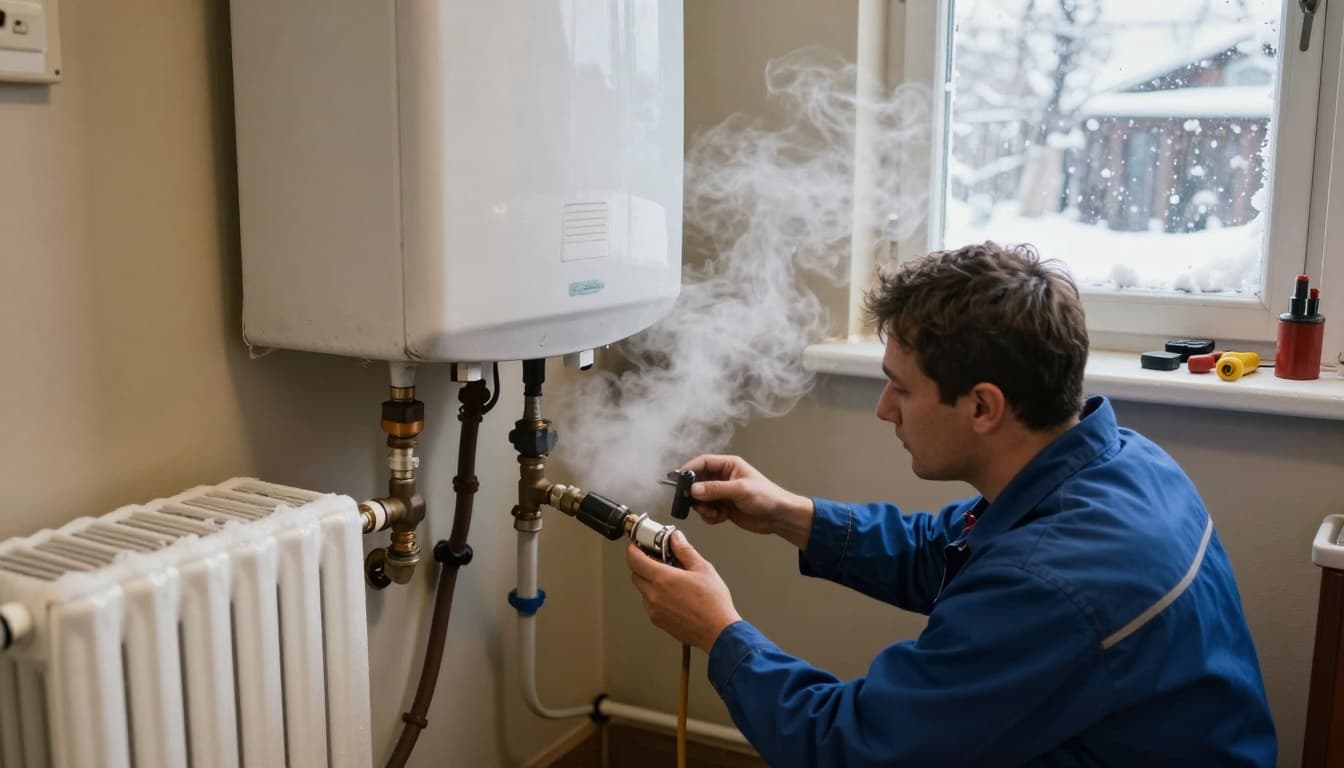 Boiler emergencies tend to focus on total loss of service or safety risks, created with AI.
Plumbing, drainage, and water leaks that can cause damage
Water spreads quietly, then suddenly everything’s soaked. Home emergency cover usually cares about whether the leak is controllable and whether it risks serious damage.
Examples that are usually emergency-level:
Burst pipe: A sudden break with water escaping quickly.
Major leak you can’t stop: If you can’t isolate it with the stopcock, or it’s still pouring after you’ve tried.
Blocked only toilet: If there’s just one toilet in the home and it’s unusable.
Drain backing up into the house: Waste water entering the property is often treated as urgent.
Providers often draw a line between:
- Uncontainable leaks: You can’t stop it, and damage is likely if it’s not fixed quickly.
- Containable leaks: You can catch it in a bowl, or it’s a slow drip, and it can wait for a routine repair.
A slow leak can still do damage over time, but emergency cover is usually built for the “act now” moments.
Electrical failures and safety risks
Electrical problems can be dangerous, so emergency cover often focuses on faults that remove safe power or create a clear hazard.
These issues are often covered:
Complete power failure in the property: Especially if it’s not a wider area power cut.
Burning smell or visible sparking: A socket that smells of burning, smokes, or sparks can signal serious risk.
Exposed live wires: Any situation where wiring is unsafe and could cause shock or fire.
Repeated tripping: If the consumer unit trips and you can’t restore safe power.
A common example that may not qualify is a single faulty socket when the rest of the home has safe power. It feels urgent when you need that socket, but the policy may see it as a standard repair.
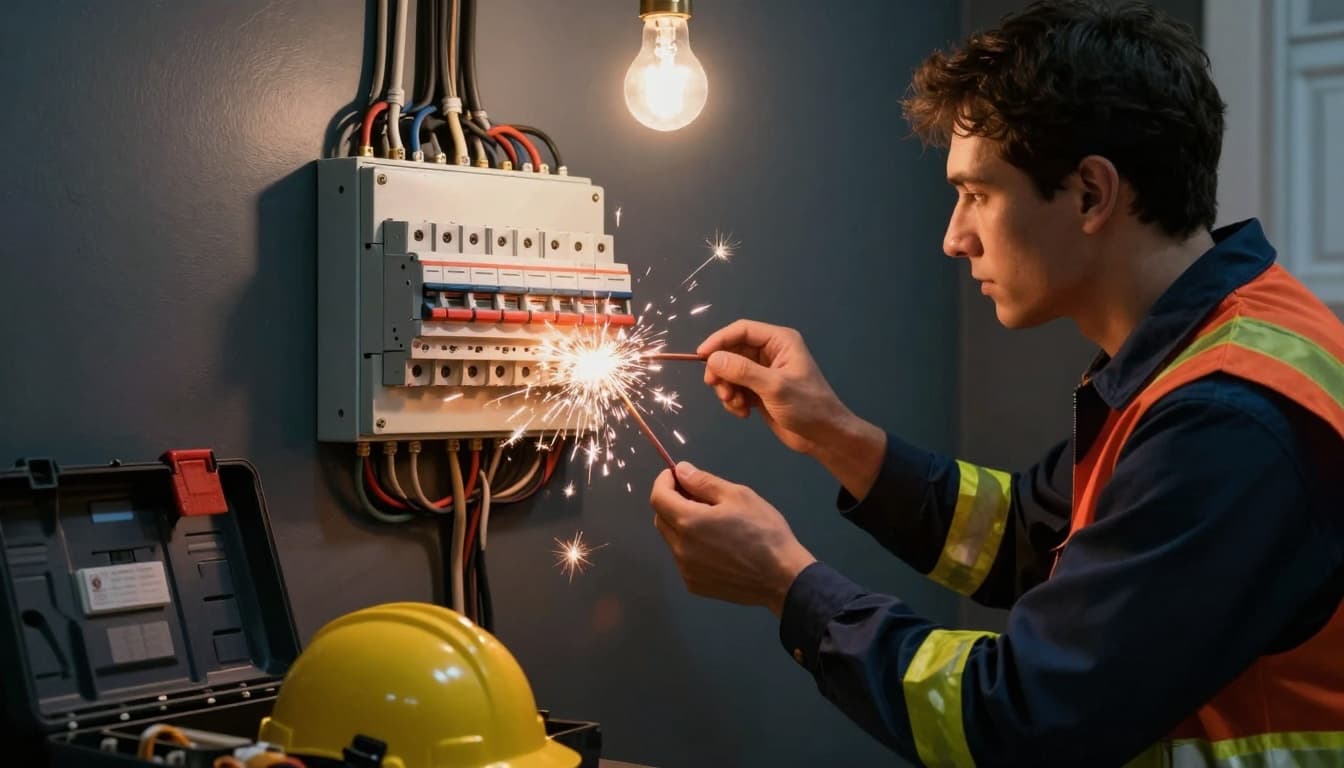 Electrical emergencies are often defined by risk of fire or loss of safe power, created with AI.
Home security emergencies (access and safety)
Security cover is usually about making the home lockable again, not fitting nicer locks.
Commonly covered scenarios:
Broken external door lock: If you can’t secure the property.
Damage after a break-in: Making doors or windows secure is often the priority.
Boarding up: Sometimes included when a window or door is damaged.
Lost keys can be tricky. Some policies include it, many don’t, and some only cover it if there’s a clear security risk. If it is covered, the insurer may fit a temporary solution first.
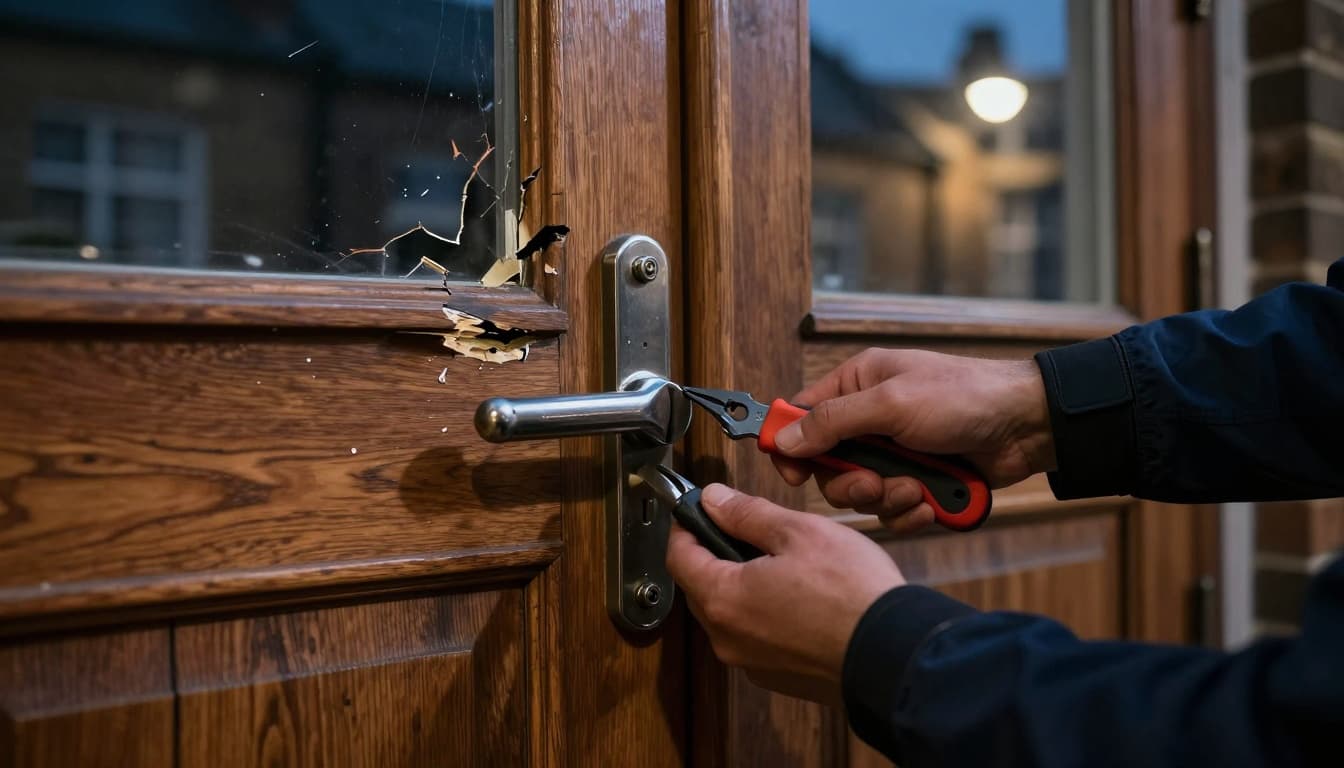 Security emergencies usually focus on getting the property secure again, created with AI.
What does not count as an emergency (and why claims get refused)
Most refusals happen for the same reasons. The problem isn’t urgent, it’s been going on for a while, it’s caused by poor maintenance, or it’s simply outside the covered sections.
This isn’t about catching you out for fun. Emergency cover is priced on the idea that it’s used for rare, urgent events, not day-to-day wear in a busy home.
Here’s a quick guide to how providers often see it:
SituationOften treated asWhyDripping tapRoutine repairNo immediate risk or loss of serviceSlow drainRoutine repairUsually build-up over timeOne radiator coldMaintenanceSystem still works overallOne dead socketRoutine repairHome still has safe powerOld boiler struggling for monthsPre-existing faultNot sudden or unexpected
Non-urgent problems and everyday repairs
If the issue can safely wait, it’s often not classed as an emergency.
Typical non-emergencies include a dripping tap, a slow-draining sink, a toilet that still flushes but runs a bit, or a radiator that needs bleeding. Appliance failures (like a broken fridge) are also normally excluded unless you’ve bought a specific home appliance plan.
A simple mental check many providers apply is: can it wait until normal working hours without danger or major damage? If the answer is yes, it may not qualify.
Wear and tear, poor maintenance, and pre-existing faults
Emergency cover usually expects the home has been kept in reasonable shape. Problems that build up slowly can get rejected.
Common examples:
An old boiler with known issues: If it’s been losing pressure for weeks, the breakdown isn’t “sudden” in their eyes.
Corroded pipework: A pinhole leak caused by corrosion can be classed as wear and tear, especially if there are signs it’s been happening for a while.
Repeated blockages: If the same drain blocks every month, the provider may point to ongoing build-up or misuse.
If you’d noticed it, ignored it, and it finally gave up, that’s where many claims fall down.
Damage caused by bigger events, or by changes you are making
Home emergency cover often isn’t the right tool for big external events or planned work.
Examples that tend to sit elsewhere:
Storm, flood, or subsidence damage: These are usually buildings insurance claims, not emergency cover call-outs.
Renovations and planned upgrades: Emergency cover isn’t there to support project work.
Faulty DIY: If a leak or electrical fault is caused by unqualified work, it may be excluded.
Cosmetic damage: A cracked tile or water mark might be upsetting, but if there’s no urgent risk, it’s not an emergency repair.
If the cause is a major insured event, you’ll often need to claim under buildings insurance, and then arrange repairs through that process.
How to check your policy before you need it, and what to do when something goes wrong
The best time to understand home emergency insurance is before you’re standing in a puddle with a torch. Keep it practical and focus on five areas: the emergency definition, what’s covered, exclusions, claim limits, and response times.
A quick checklist to see if you are likely covered
Use these prompts when deciding whether to call the emergency helpline:
- Is anyone in danger right now?
- Is the home unsafe, unsecure, or not liveable?
- Is there a total loss of heating, water, or power?
- Can you stop the leak (stopcock or isolation valve)?
- Did the problem happen suddenly, rather than getting worse over time?
- Is the issue listed under the policy’s covered sections?
- Are you responsible for the item (owner, tenant, or landlord)?
If you tick several of these, you’re closer to the kind of event emergency cover is made for.
What to do during an emergency (and mistakes to avoid)
When something goes wrong, your goal is to stay safe and protect your claim.
Make it safe (if you can): Turn off the water at the stopcock for major leaks, or switch off electrics if there’s a burning smell (only if it’s safe to do so).
Take photos: Quick photos of the damage and the source can help later.
Call the emergency helpline first: Many policies require you to use their approved network. Arranging your own contractor without permission can lead to non-payment.
Explain the symptoms clearly: Describe what happened, when it started, and what’s not working. Mention any vulnerability in the household if relevant.
Ask what happens next: Clarify whether they’re sending someone to make safe, and how follow-on repairs are handled.
Keep receipts: If you’re told to take specific steps or buy emergency items, keep proof of purchase. Don’t assume you can spend freely and claim it back.
The biggest mistake is panicking and booking the first tradesperson you find, then discovering the policy only pays when you follow their process.
Conclusion
Home emergency cover can be brilliant when it matches the problem. A true emergency is usually sudden and urgent, with a real risk to safety, security, or essential services. It’s not designed for slow-building faults, wear and tear, or routine repairs.
Before you buy (or before you need to claim), check the definition of an emergency, the exclusions, and the claim limits. Save the helpline number in your phone, and keep on top of basic maintenance so you don’t get caught by the most common refusal reason. A few minutes reading the wording now can save a lot of stress later.
Home Emergency Cover
Shop for More with Our Verified UK Insurance providers:
Home Emergency Cover Home Appliance Cover– Income Protection insurance
Travel Insurance – Gadget Insurance – Phone Insurance – Caravan Insurance – Cycle Insurance – E-Bike Insurance
Car Finance – Car Breakdown Cover – Van Breakdown Cover – Motorbike Breakdown Cover
–
Explore our Buyers Guides with Money Saving Tips
For a list of our main buyers guides use the drop-down menu at the top of the page.
https://comparepriceswebsite.co.uk/index.php/2026/01/01/uk-home-emergency-cover-explained/


Comments
Post a Comment